



PDE5
PDE5 is a cGMP-specific phosphodiesterase that hydrolyzes cGMP and functions as a dimeric multidomain enzyme[1]. Mechanistically, cGMP generated through nitric oxide-soluble guanylyl cyclase signaling provides the main substrate context for PDE5-dependent signal termination[1]. PDE5 activity is further regulated by cGMP binding to the GAF A domain and by phosphorylation in smooth muscle cells[2][3]. Compared with broader PDE families, PDE5 belongs to the cGMP-selective group, whereas PDE1, PDE2, PDE3, PDE10, and PDE11 hydrolyze both cAMP and cGMP[4]. The PDE5A gene encodes PDE5, and human penile cavernosum studies identified PDE5A1, PDE5A2, and PDE5A3 isoforms[5][6]. In disease-relevant studies, sildenafil improved exercise capacity, WHO functional class, and hemodynamics in symptomatic pulmonary arterial hypertension[7]. For experimental and translational applications, PDE5 inhibitors support research on erectile dysfunction, pulmonary arterial hypertension, lower urinary tract symptoms, and NO/cGMP pathway pharmacology[8][9]. GAF-domain biosensor work also supports PDE5-based tools for identifying compounds that modulate cGMP binding and catalytic regulation[10].
References:
- [1]. Ahmed WS, et al. Phosphodiesterase 5 (PDE5): Structure-function regulation and therapeutic applications of inhibitors. Biomed Pharmacother. 2021 Feb;134:111128. [Content Brief]
- [2]. Rybalkin SD, et al. PDE5 is converted to an activated state upon cGMP binding to the GAF A domain. EMBO J. 2003 Feb 3;22(3):469-78. [Content Brief]
- [3]. Rybalkin SD, et al. Regulation of cGMP-specific phosphodiesterase (PDE5) phosphorylation in smooth muscle cells. J Biol Chem. 2002 Feb 1;277(5):3310-7. [Content Brief]
- [4]. Maurice DH, et al. Advances in targeting cyclic nucleotide phosphodiesterases. Nat Rev Drug Discov. 2014 Apr;13(4):290-314. [Content Brief]
- [5]. Kass DA, et al. Phosphodiesterase type 5: expanding roles in cardiovascular regulation. Circ Res. 2007 Nov 26;101(11):1084-95. [Content Brief]
- [6]. Lin CS, et al. Expression of three isoforms of cGMP-binding cGMP-specific phosphodiesterase (PDE5) in human penile cavernosum. Biochem Biophys Res Commun. 2000 Feb 16;268(2):628-35. [Content Brief]
- [7]. Galiè N, et al. Sildenafil citrate therapy for pulmonary arterial hypertension. N Engl J Med. 2005 Nov 17;353(20):2148-57. [Content Brief]
- [8]. Andersson KE. PDE5 inhibitors - pharmacology and clinical applications 20 years after sildenafil discovery. Br J Pharmacol. 2018 Jul;175(13):2554-2565. doi: 10.1111/bph.14205. Epub 2018 Apr 25. PMID: 29667180; PMCID: PMC6003652. et al. PDE5 inhibitors - pharmacology and clinical applications 20 years after sildenafil discovery. Br J Pharmacol. 2018 Jul;175(13):2554-2565. [Content Brief]
- [9]. Yuan J, et al. Comparative effectiveness and safety of oral phosphodiesterase type 5 inhibitors for erectile dysfunction: a systematic review and network meta-analysis. Eur Urol. 2013 May;63(5):902-12. [Content Brief]
- [10]. Biswas KH, et al. The GAF domain of the cGMP-binding, cGMP-specific phosphodiesterase (PDE5) is a sensor and a sink for cGMP. Biochemistry. 2008 Mar 18;47(11):3534-43. [Content Brief]
All Product Categories
-
PDE5 Related Products (97)
Related Products (97)

-
Sildenafil
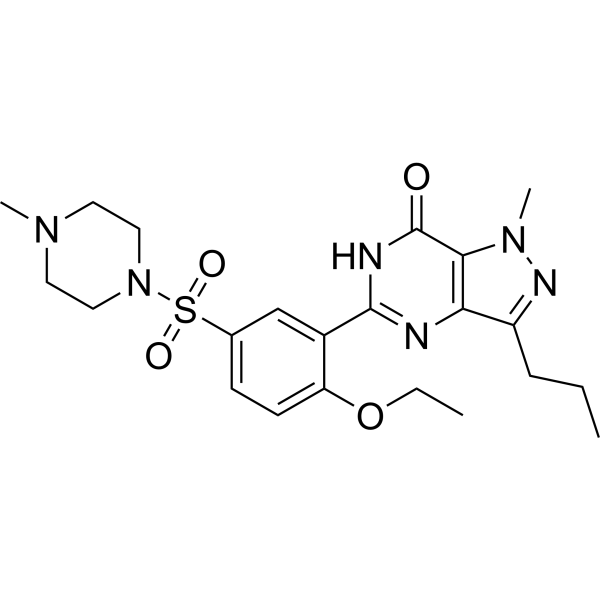 0 ImagesSynonyms: UK-92480Sildenafil (UK-92480) is a potent phosphodiesterase type 5 (PDE5) inhibitor with an IC50 of 5.22 nM.
-
Sildenafil citrate
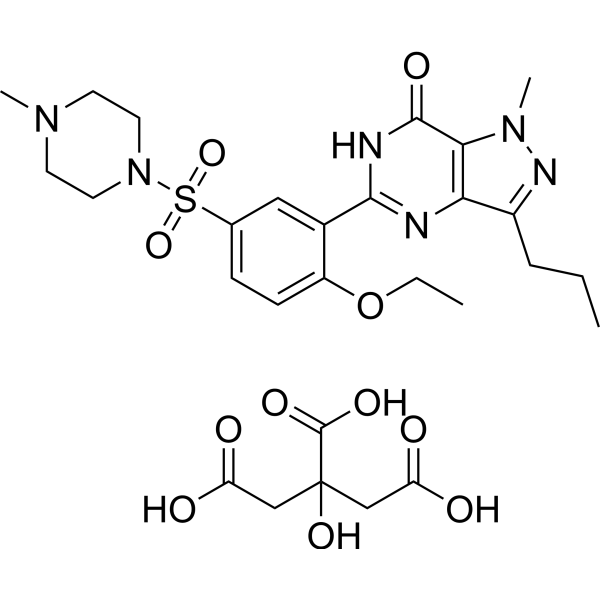 0 ImagesSynonyms: UK-92480 citrateSildenafil citrate is a potent phosphodiesterase type 5 (PDE5) inhibitor with IC50 of 5.22 nM.
-
Zaprinast
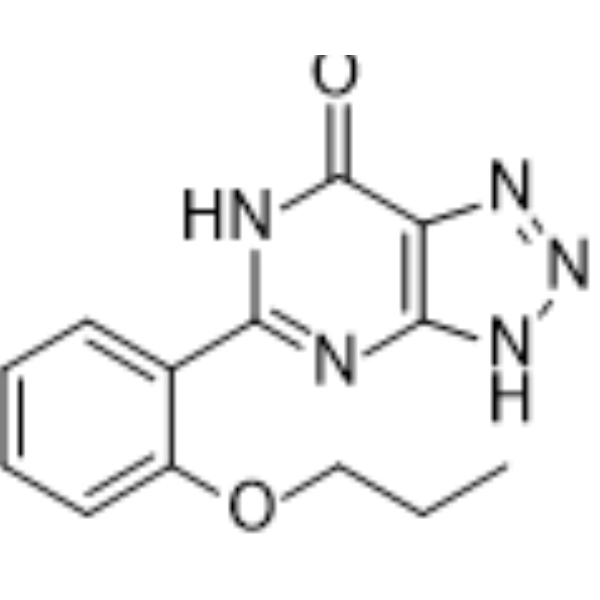 0 ImagesSynonyms: M&B 22948Zaprinast (M&B 22948) is a selective inhibitor of cGMP-selective Phosphodiesterase (PDE5). Zaprinast causes a significant increase in cGMP levels in myocytes. Zaprinast is a G protein-coupled receptor 35 (GPR35) agonist which activates rat GPR35 strongly and activates human GPR35 moderately. Zaprinast reduces vessel remodeling through antiproliferative and proapoptotic effects.
-
Avanafil
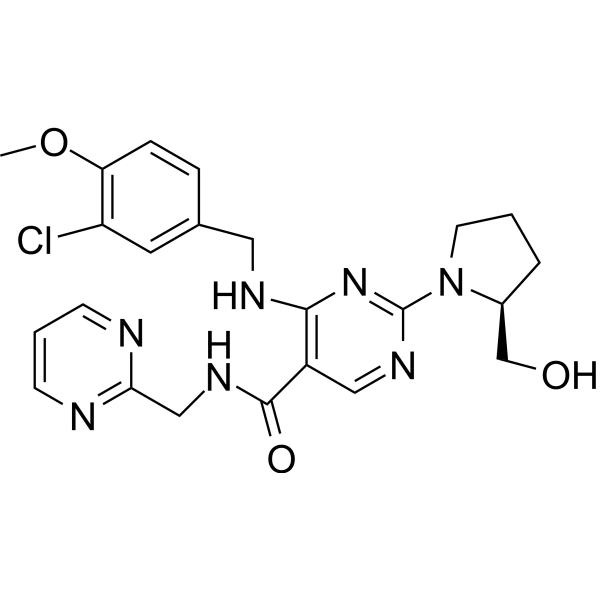 0 ImagesSynonyms: TA1790Avanafil (TA-1790) is a potent and selective phosphodiesterase-5 (PDE-5) inhibitor with IC50 values of 5.2 nM, 630 nM, 5700 nM, 6200 nM, 12000 nM, 27000 nM, 51000 nM and 53000 nM for PDE-5, PDE-6, PDE-4, PDE-10, PDE-8, PDE-7, PDE-2 and PDE-1, respectively. Avanafil activates NO/cGMP/PKG signaling-pathway to decrease loss in BMD, bone atrophy, and oxidative stress. Avanafil inhibits cyclic guanosine monophosphate (cGMP) hydrolysis and thus increases cGMP levels. Avanafil can be used for the research of erectile dysfunction and osteoporosis.
-
Vardenafil hydrochloride
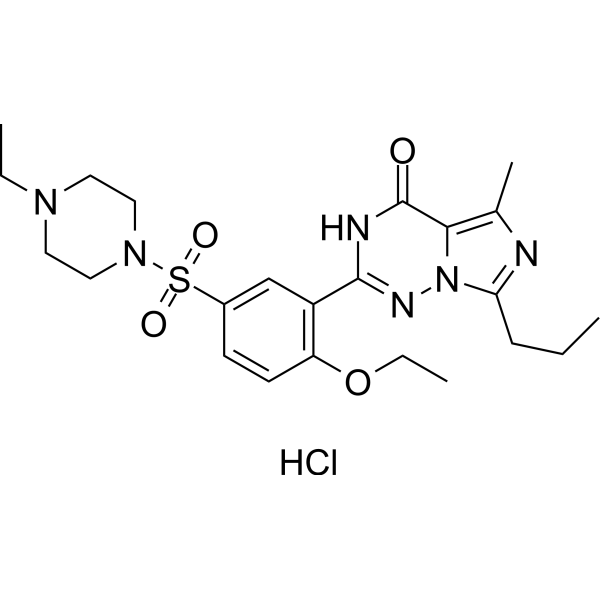 0 ImagesVardenafil hydrochloride is a selective and orally active inhibitor of phosphodiesterase-5 (PDE5), with an IC50 of 0.7 nM. Vardenafil hydrochloride shows inhibitory towards PDE1, PDE6 with IC50s of 180 nM, and 11 nM, while IC50s are >1000 nM for PDE3 and PDE4. Vardenafil hydrochloride competitively inhibits cyclic guanosine monophosphate (cGMP) hydrolysis and thus increases cGMP levels. Vardenafil hydrochloride can be used for the research of erectile dysfunction, hepatitis, diabetes[1]-[6].
-
Vardenafil
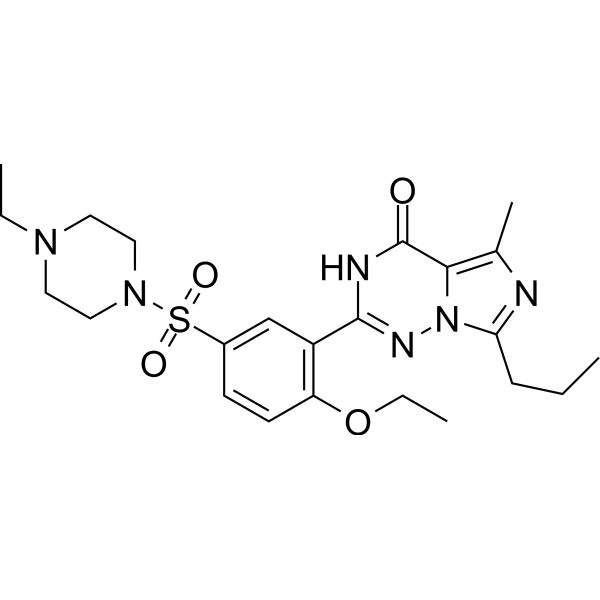 0 ImagesVardenafil is a selective and orally active inhibitor of phosphodiesterase-5 (PDE5), with an IC50 of 0.7 nM. Vardenafil shows inhibitory towards PDE1, PDE6 with IC50s of 180 nM, and 11 nM, while IC50s are >1000 nM for PDE3 and PDE4. Vardenafil competitively inhibits cyclic guanosine monophosphate (cGMP) hydrolysis and thus increases cGMP levels. Vardenafil can be used for the research of erectile dysfunction, hepatitis, diabetes[1]-[6].
-
Piclamilast
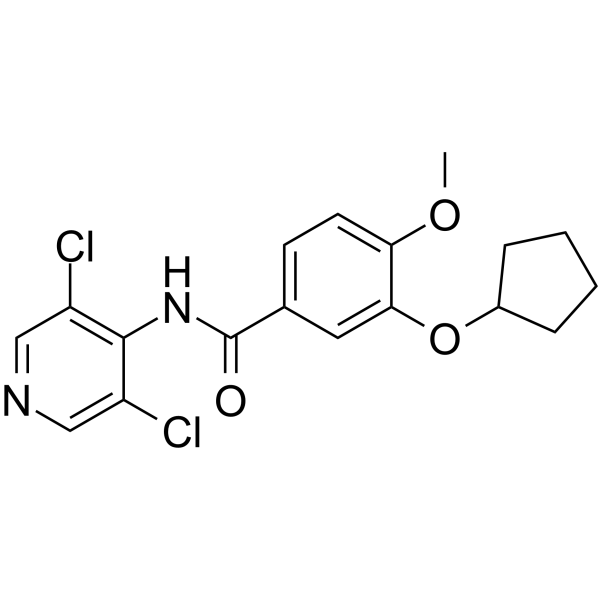 0 ImagesSynonyms: RP 73401; RPR 73401Piclamilast (RP 73401) is a phosphodiesterase 4 (PDE4) inhibitor, with IC50 values of 16 nM and 2 nM in pig aorta and eosinophil soluble, respectively.
-
Mirodenafil dihydrochloride
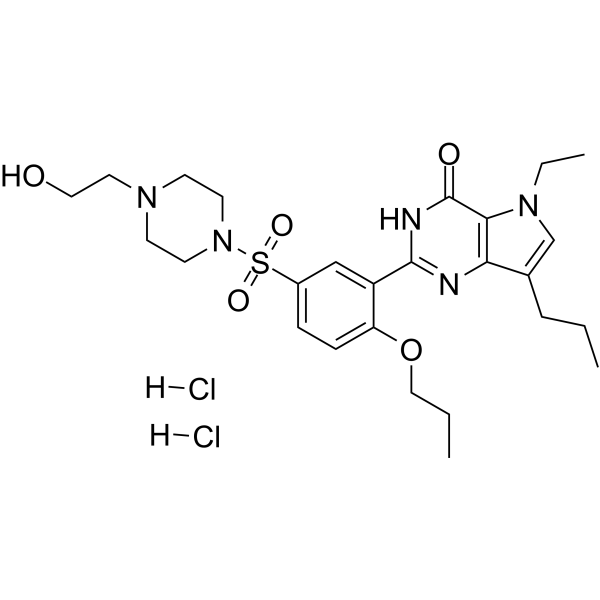 0 ImagesSynonyms: SK-3530 dihydrochlorideMirodenafil (SK3530) dihydrochloride is an orally active, potent, reversible, and selective phosphodiesterase 5 (PDE5) inhibitor. Mirodenafil dihydrochloride is a glucocorticoid receptor (GR) modulator Mirodenafil dihydrochloride activates the Wnt/β-catenin signaling pathway by downregulating Dkk1 expression. Mirodenafil dihydrochloride can be used for the research of erectile dysfunction (ED), Alzheimer’s disease (AD) and systemic sclerosis (SSc).
-
Fenspiride hydrochloride
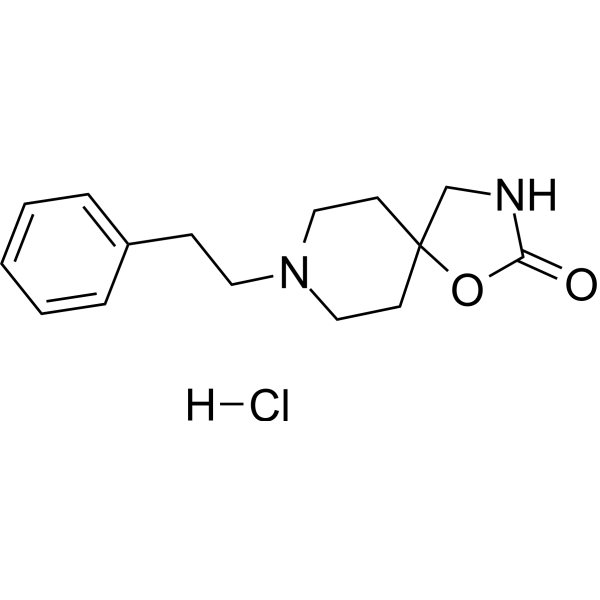 0 ImagesFenspiride, an orally active non-steroidal antiinflammatory agent, is an antagonist of H1-histamine receptor. Fenspiride inhibites phosphodiesterase 3 (PDE3), phosphodiesterase 4 (PDE4) and phosphodiesterase 5 (PDE5) activities with -log IC50 values of 3.44, 4.16 and approximately 3.8, respectively. Fenspiride can be used for the research of respiratory diseases.
-
Udenafil
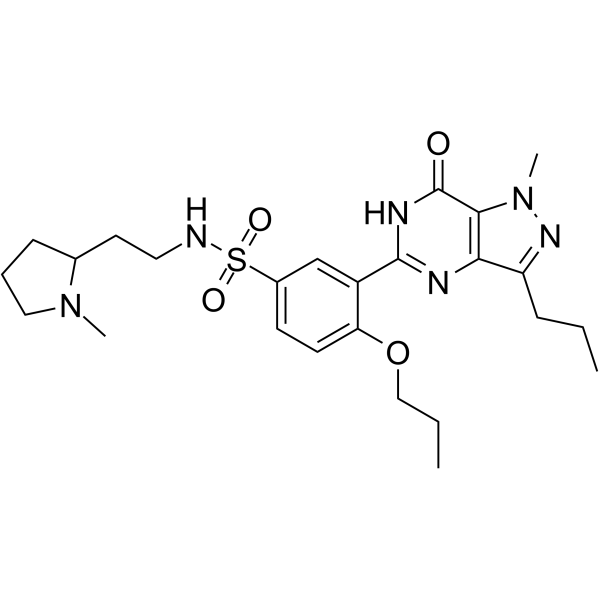 0 ImagesSynonyms: DA8159Udenafil (DA8159) is a potent, selective and orally active phosphodiesterase type 5 (PDE5) inhibitor. Udenafil also inhibits cGMP hydrolysis and can be used for erectile dysfunction research.
-
Sildenafil-d3
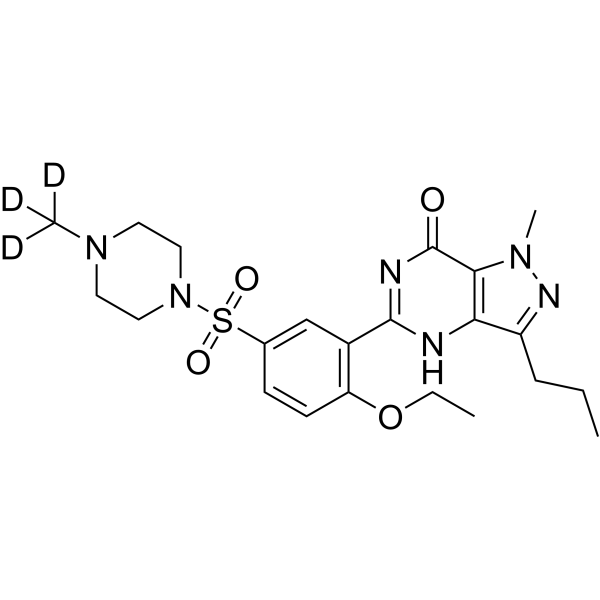 0 ImagesSynonyms: UK-92480-d3Sildenafil-d3 is deuterium labeled Sildenafil-d3. Sildenafil (UK-92480) is a potent phosphodiesterase type 5 (PDE5) inhibitor with an IC50 of 5.22 nM.
-
Mirodenafil
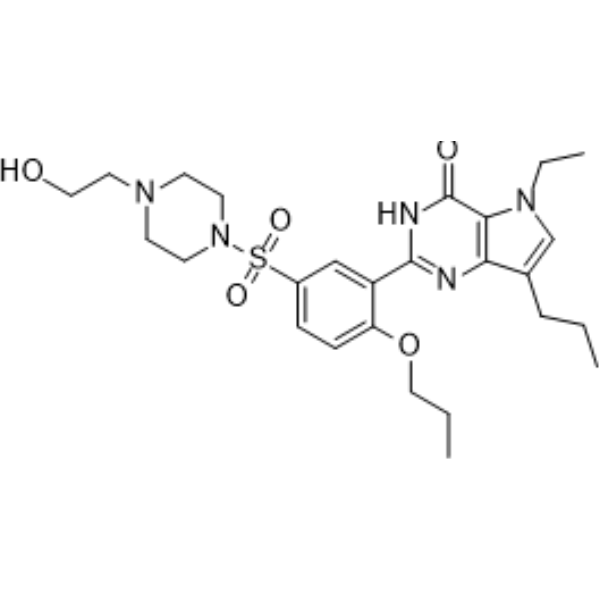 0 ImagesSynonyms: SK3530Mirodenafil (SK3530) is an orally active, potent, reversible, and selective phosphodiesterase 5 (PDE5) inhibitor. Mirodenafil is a glucocorticoid receptor (GR) modulator Mirodenafil activates the Wnt/β-catenin signaling pathway by downregulating Dkk1 expression. Mirodenafil can be used for the research of erectile dysfunction (ED), Alzheimer’s disease (AD) and systemic sclerosis (SSc).
-
Nortadalafil
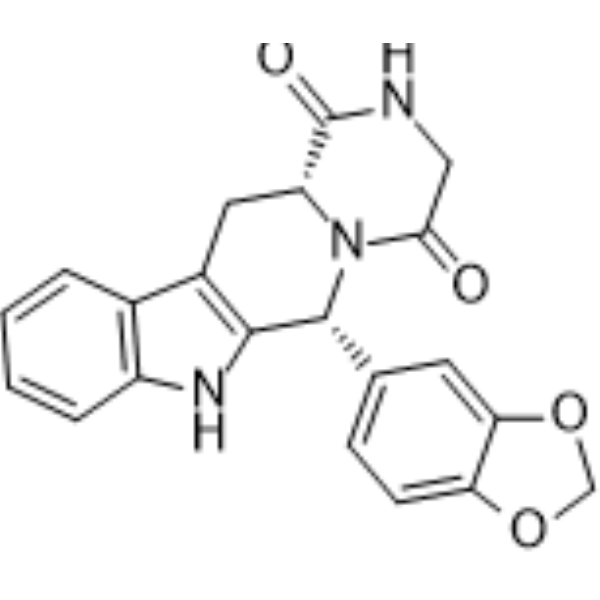 0 ImagesSynonyms: Demethyl TadalafilNortadalafil (Demethyl Tadalafil) is a phosphodiesterase-5 (PDE-5) inhibitor and Tadalafil (HY-90009A) analog. Nortadalafil exhibits pharmacokinetic properties including a half-life of 5.93-6.21 h after single oral doses of 40-120 mg.Nortadalafil is identified as an adulterant in dietary supplements.
-
Lodenafil
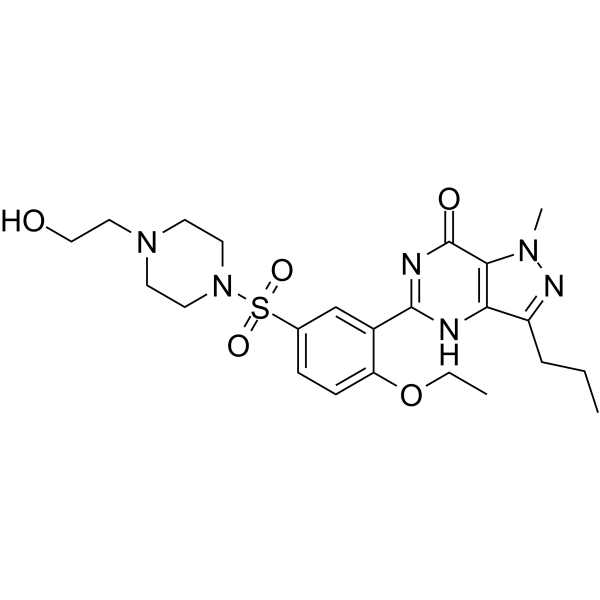 0 ImagesSynonyms: HydroxyhomosildenafilLodenafil is a potent phosphodiesterase type 5 (PDE5) inhibitor for the treatment of erectile dysfunction (ED).
-
N-Desmethyl Sildenafil
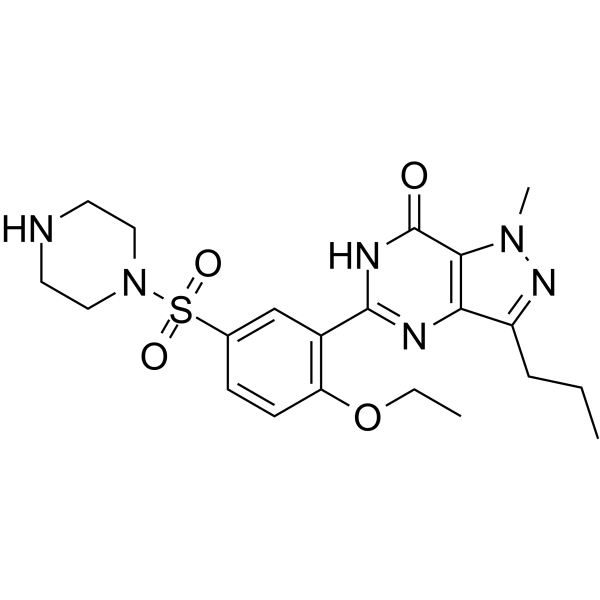 0 ImagesSynonyms: Desmethylsildenafil; UK-103,320N-Desmethyl Sildenafil (Desmethylsildenafil) is a major metabolite of Sildenafil. Sildenafil is a potent phosphodiesterase type 5 (PDE5) inhibitor.
-
Vardenafil hydrochloride trihydrate
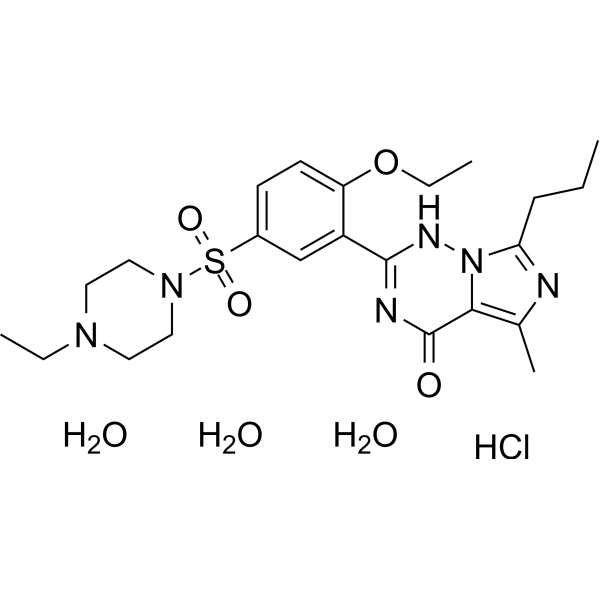 0 ImagesVardenafil hydrochloride trihydrate is a selective and orally active inhibitor of phosphodiesterase-5 (PDE5), with an IC50 of 0.7 nM. Vardenafil hydrochloride trihydrate shows inhibitory towards PDE1, PDE6 with IC50s of 180 nM, and 11 nM, while IC50s are >1000 nM for PDE3 and PDE4. Vardenafil hydrochloride trihydrate competitively inhibits cyclic guanosine monophosphate (cGMP) hydrolysis and thus increases cGMP levels. Vardenafil hydrochloride trihydrate can be used for the research of erectile dysfunction, hepatitis, diabetes[1]-[6].



